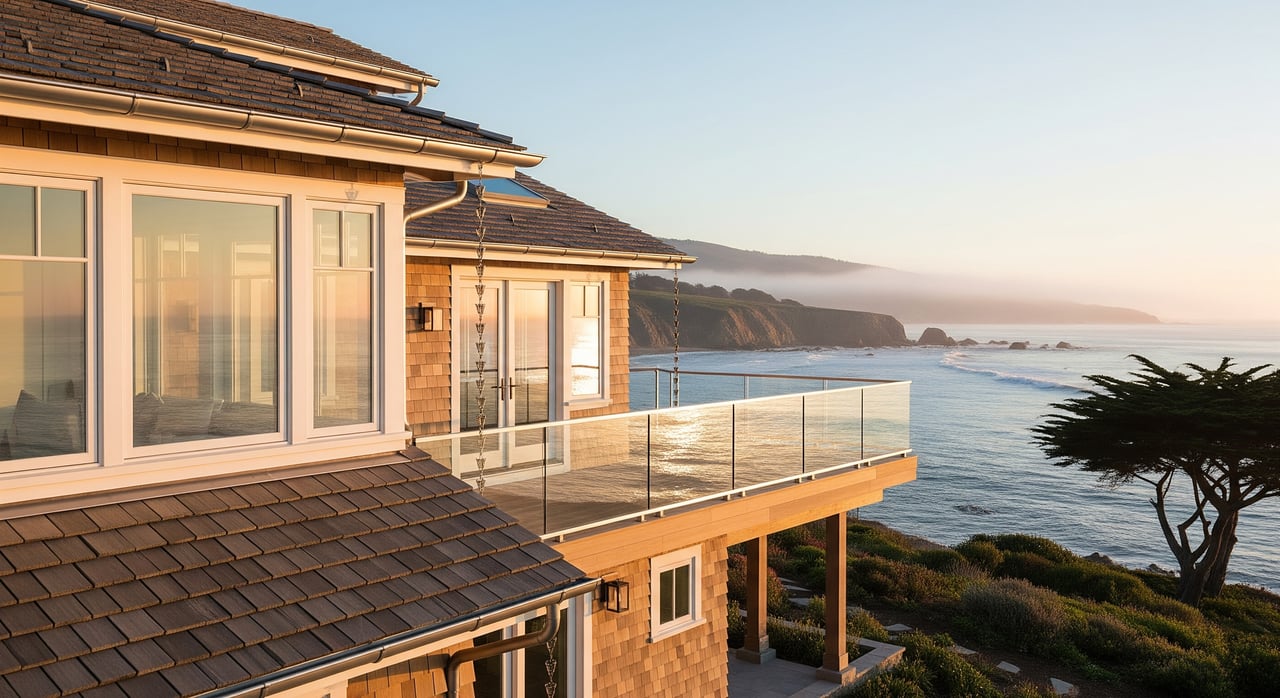
Sea air and ocean views are hard to beat. In Half Moon Bay, they also ask more of your home. If you are buying on the coast or setting up a second home, a clear maintenance plan will protect your investment and preserve day-to-day comfort. In this guide, you will learn what the local climate does to buildings, which materials perform best, how often to service each system, who to hire, and what to budget. Let’s dive in.
Why Half Moon Bay needs extra care
Half Moon Bay’s cool marine layer, frequent fog, and steady onshore winds carry salt and moisture to every exterior surface. Over time, salt plus oxygen speeds corrosion on metals, shortens paint life, and exposes weak joints. Winter storms can stress roofs, flashing, and drainage, especially on bluff and slope sites.
If your property sits near the shoreline or on a bluff, plan for site-specific risks like bluff retreat, storm surge or localized flooding, and higher wind exposure. Elevated groundwater in some coastal soils affects drainage and planting choices. These conditions do not have to be a problem, but they do require proactive design and maintenance.
Choose materials that last here
Selecting the right assemblies up front can cut maintenance and extend service life. Focus on coastal-grade components and smart detailing.
Fasteners and hardware
- Favor 316 stainless steel for exposed fasteners, railings, and deck connections. It resists chloride pitting better than 304.
- Avoid dissimilar-metal contact unless isolated. Galvanic corrosion is common when aluminum and stainless touch.
- Hot-dip galvanized can work in some uses, but stainless is preferred near surf or heavy salt.
Roofing choices
- Architectural composition shingles, tile, and metal are all used locally. Salt and wind shorten shingle life compared to inland settings.
- Choose wind-rated products with proper fastening patterns. Use stainless fasteners where required.
- For metal, specify coastal-grade coatings like PVDF on aluminum or coated steel. Inspect flashings and ridge caps yearly.
Siding and cladding
- Strong performers: fiber cement, well-detailed stucco with elastomeric coatings, and capped composites.
- Natural woods like redwood or cedar can work with strict upkeep, but expect more frequent re-coats.
- Design joints and transitions with high-quality sealants suited to movement and moisture.
Windows and doors
- Fiberglass and thermally broken aluminum frames handle coastal movement well. Vinyl can perform if hardware is corrosion protected.
- Select coastal-grade hardware and weep systems that shed water. In exposed areas, consider impact or wind-rated glazing.
- Plan to inspect and recaulk perimeters every 2 to 5 years, depending on exposure.
Metal components
- Railings, gutters, flashing, and trim do best in 316 stainless or powder-coated aluminum.
- Use high-performance coatings such as PVDF. Expect shorter repaint cycles on metal near the coast versus inland.
- Keep gutters clear to limit salt and organic buildup.
Decks and outdoor living
- Favor capped composites, PVC decking, or dense rot-resistant woods. Untreated softwoods struggle here.
- Use 316 stainless fasteners and hidden systems rated for coastal exposure.
- Clean and rinse regularly. Natural wood often needs yearly sealing or staining.
Sealants and coatings
- Use polyurethane or polysulfide where movement and paintability matter. Silicone is durable but usually not paintable.
- Elastomeric coatings help stucco bridge hairline cracks and reduce moisture intrusion.
- Inspect caulking often and replace at the first sign of failure.
Mechanical systems
- HVAC coils corrode faster in salt air. Choose protective coatings and schedule preventive service twice yearly.
- Check water heater anodes more often. Salt environments consume them faster.
- For pools and spas, inspect salt systems and pumps regularly to avoid pitting and premature wear.
- Use corrosion-resistant enclosures and contacts for exterior electrical components.
Landscape and drainage
- Select salt-tolerant plants and set them back from the highest salt-spray zone.
- Tune irrigation to avoid overspray on siding and hardscape. Manage soils to avoid salt buildup.
- On bluffs or slopes, plan periodic geotechnical review. Erosion control and retaining systems need monitoring.
Maintenance cadence that works
A consistent schedule is your best defense. Increase frequency for oceanfront or high-exposure sites.
Annual and twice yearly
- HVAC service in spring and fall. Clean coils, change filters, and inspect exterior units for corrosion.
- Gentle exterior rinse or low-pressure wash 1 to 2 times per year to remove salt and organic buildup.
- Roof inspection every year and after major storms. Check flashing, ridge caps, vents, and rust streaks.
- Gutter cleaning at least twice per year. Increase if debris builds quickly.
- Inspect and replace weatherstripping and door sweeps as needed. Check exterior electrical junctions.
- Pest and wood-destroying organism inspection yearly, watching for moisture and mold.
- Deck cleaning and inspection annually. Reseal or restain per material guidance.
Every 2 to 5 years
- Recaulk window and door perimeters and transition flashings every 3 to 5 years.
- Repaint or recoat trim and high-exposure areas every 3 to 7 years depending on exposure and paint quality.
- Inspect or replace water heater anodes every 1 to 3 years as needed.
- Recoat HVAC condenser coils or service protective finishes as needed.
- Inspect metal railings and structural metal for pitting. Treat small areas of corrosion promptly.
Every 5 to 15 years
- Roof replacement timing varies by material and exposure. Composition shingles may need replacement in under 10 to 15 years. Coated metal or tile may last 20 to 40 years with maintenance.
- Full exterior repaint cycles are typically 7 to 12 years, shorter near surf and on trim.
- Window and door replacement is performance based. Replace when seals fail, hardware corrodes, or energy performance declines.
Event driven checks
- After storms, inspect roofs, flashing, windows, and drainage paths.
- After heavy rains or signs of bluff movement, inspect foundations, retaining walls, and site drainage.
Seasonal checklist
- Spring: HVAC startup, exterior rinse, clear gutters, roof and flashing check, prune salt-damaged plants, deck inspection.
- Summer: Check irrigation, rinse salt buildup on exteriors, inspect pool or spa equipment.
- Fall: HVAC heat service, clean gutters, secure loose outdoor items, inspect seals and caulking.
- Winter and storm season: Secure outdoor furniture, monitor drainage and erosion, perform post-storm walkthroughs.
Vendor team for estates
Premium coastal properties benefit from a coordinated team and a master plan.
Who to hire
- General contractor with coastal construction and permitting experience.
- Coastal or metal roofer for standing seam and complex flashing.
- Window and door supplier with coastal-grade frames, hardware, and certified installation.
- Exterior painter experienced in marine-grade prep and coatings.
- Stainless and metal fabricator using 316 stainless for railings and custom work.
- HVAC contractor who protects condenser coils and sets preventive schedules.
- Geotechnical engineer for bluff-top or steep slope sites.
- Landscape architect or contractor skilled in salt-tolerant plantings, erosion control, and efficient irrigation.
- Structural engineer for foundations, retaining walls, or major renovations.
- Pool and spa technician for salt systems.
- Pest control operator familiar with coastal moisture conditions.
Coordination tips
- Create a property maintenance log listing vendors, schedules, warranties, product specs, and inspection reports.
- Put recurring contracts in place for HVAC, exterior cleaning, and seasonal checks. This reduces emergency repairs and keeps warranties valid.
- Sequence work thoughtfully. For example, roof and flashing repairs before exterior painting, then final caulking.
- For shoreline or bluff work, start geotechnical review and regulatory steps early to avoid delays.
Permits and coastal rules
In San Mateo County, plan on permits for most structural or exterior system work. Properties in the coastal zone or near bluffs may also require Coastal Commission review under the Local Coastal Program. Permits and policies can affect setbacks, vegetation removal, bluff repair methods, and site drainage. Begin conversations early with local planners and your geotechnical and structural teams.
Budgeting and insurance basics
Coastal ownership carries higher upkeep. Set expectations early and reserve accordingly.
- Plan for annual maintenance of 2% or more of property value, depending on exposure, age, and finishes. Some homes will be closer to 1.5 percent, while premium estates with complex metalwork may trend higher.
- Build a capital reserve for medium-term items like roof replacement, major repainting, and deck renewal on a 5 to 20 year horizon.
- Expect homeowner insurance premiums and deductibles to reflect wind and storm exposure. If you are in a flood zone or at risk of coastal surge, review flood insurance options.
- Long-term risks like sea-level rise and bluff erosion can influence underwriting and resale value. Keep documentation of maintenance and coastal-grade materials. It helps during renewals and claims.
New buyer quick-start plan
Use this simple plan to get your Half Moon Bay home set up from day one.
- Baseline assessment
- Schedule roof, exterior envelope, HVAC, and drainage inspections. On bluff or slope sites, book a geotechnical review.
- Maintenance calendar
- Build a 12-month calendar with the cadence above. Add post-storm inspections in winter.
- Core vendor lineup
- Engage an HVAC contractor, roofer, exterior painter, landscape professional, and pool technician if applicable. Assign a point person to coordinate.
- Materials and specs file
- Record paint brands, sealants, fastener types, roof model, and window hardware. Keep warranties and service records together.
- Remote monitoring
- Consider smart irrigation and leak detection to manage a second home and reduce surprise repairs.
Ready to steward your home?
With the right materials, cadence, and vendor team, a Half Moon Bay coastal home will reward you for decades. If you would like a measured plan before you buy, or introductions to trusted local specialists after you close, we are here to help. Schedule a confidential conversation with the Buljan Group to align your purchase or stewardship plan with your goals.
FAQs
How often should I repaint a Half Moon Bay coastal home?
- Expect touchups and trim every 3 to 7 years in high-exposure areas, with full exterior repainting roughly every 7 to 12 years depending on materials and exposure.
What roofing lasts longest in Half Moon Bay?
- Coated metal or tile often outlast composition shingles in marine settings. With regular maintenance, metal or tile can reach 20 to 40 years, while shingles may need replacement in under 10 to 15 years.
Which fasteners and hardware should I use near the ocean?
- Choose 316 stainless steel for exposed fasteners and hardware. It resists chloride pitting better than 304 and outperforms galvanized near surf.
How often should HVAC be serviced in a coastal climate?
- Service HVAC twice yearly in spring and fall. Clean coils, replace filters, check protective coatings, and inspect for corrosion.
Do I need special permits for bluff or shoreline work?
- Yes. Expect local building permits and, for coastal zone sites, potential Coastal Commission review. Start with geotechnical input and consult San Mateo County planning early.
How much should I budget each year for upkeep?
- Plan for 2% or more of property value per year for maintenance and reserves, with higher ranges for premium estates or severe exposure.
What landscaping works best by the ocean?
- Use salt-tolerant species set back from heavy spray zones, design irrigation to avoid overspray on buildings, and monitor soils to prevent salt enrichment.