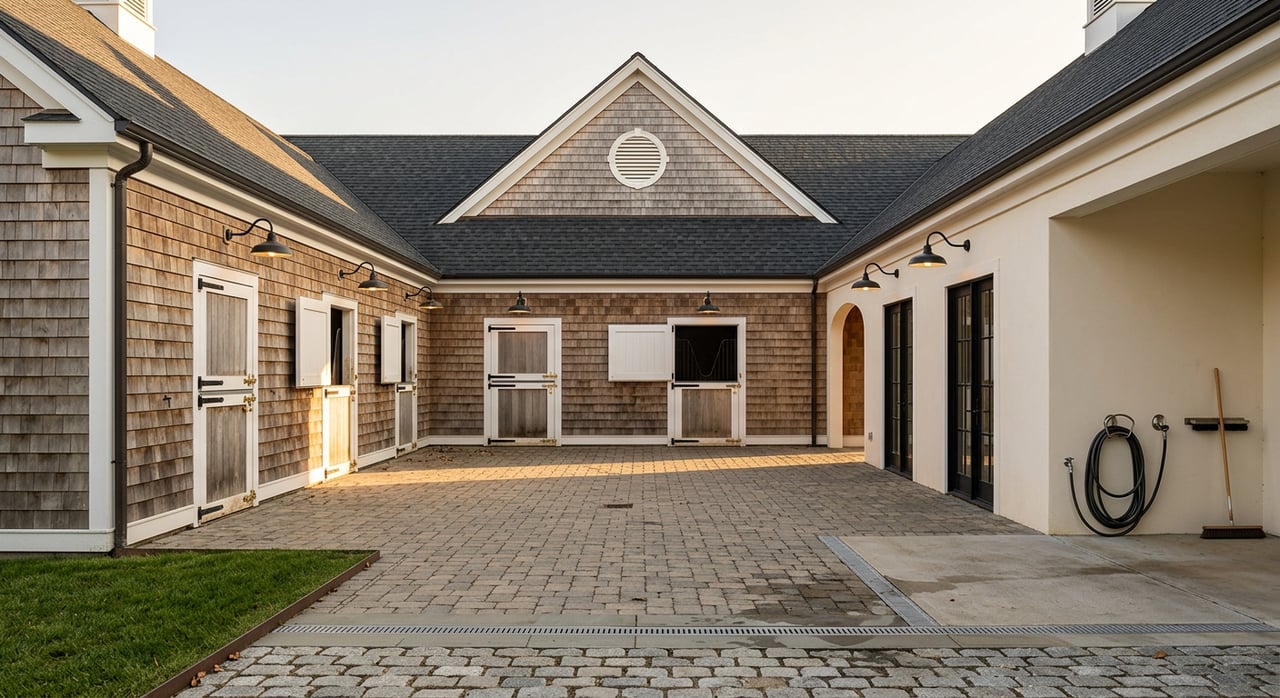
If you picture riding out from your backyard onto shaded trails, Woodside makes that vision possible. The Town embraces horses, but it also expects you to follow clear rules that protect animals, neighbors, and open space. With the right plan, you can buy with confidence and avoid costly surprises. This guide walks you through rules, permits, trails, inspections, and next steps so you can purchase an equestrian estate in Woodside with clarity. Let’s dive in.
Why Woodside works for horses
Woodside formally recognizes horse keeping. The Town publishes a comprehensive “Keeping Horses in Woodside” notebook that outlines best practices and local expectations. You can review that overview to understand how the Town balances equestrian use with safety and land stewardship.
The Town also maintains a local trail network and oversees stable permits, including a modest stable permit and a per-horse trail use fee that funds trail care. Many buyers appreciate that the community invests in ongoing access and maintenance. Before you buy, confirm whether any existing stable on the property participates in the trail program and whether fees are current.
- Read the Town’s equestrian guidance: Keeping Horses in Woodside
- Learn about the local network: Woodside Trails Committee
Know your zoning and stable rules
Private stable rules at a glance
Woodside’s Private Stable rules are specific and enforceable. Key standards to verify during diligence include:
- Minimum property size for a stable is 1 acre; the Town limits two horses per acre. Horses under one year are not counted.
- Each horse must have a 10 ft × 10 ft shelter and a turnout of at least 600 sq ft.
- Stable and turnout areas must be located on slopes under 20 percent.
- A written waste management plan is required, with drainage and wash-water handled properly.
- Basic fire protection is required at the stable, including a 3/4 inch garden hose and hose bib within 50 feet, fire extinguishers, and halter and lead at stall doors.
- Stallions require 6-foot fencing and disclosure on the permit application; signage is required.
- Exterior lighting is limited to safe passage unless specifically authorized. Special events that use the right-of-way need a separate permit and an approved parking plan.
Review the Town’s permit form and regulations to confirm these details for your target property: Private Stable Permit and regulations.
Accessory buildings, sizes, and height
Barns, arenas, and other accessory structures are controlled by each zoning district’s development standards. These standards cap floor area and building height, which affects what you can build or expand.
- In the RR zone (a common rural residential zone), the Town’s handout lists example caps such as a barn or stable around 2,500 sq ft, with other accessory structures around 1,500 sq ft, and covered arenas allowed up to 10 percent of lot area. Height allowances vary by structure type.
- In larger-lot zones like SCP-10, the Town shows higher allowances, such as a barn or stable up to 3,000 sq ft.
Treat these as examples only and confirm what applies to the parcel you are evaluating: Woodside zoning development standards.
When permits are required
Any new or altered barn, stable, hay structure, arena, or site grading typically triggers Town planning and building review. Projects often require referrals to the Woodside Fire Protection District. If the property relies on a septic system or a well, the Town will refer septic matters to San Mateo County Environmental Health, and you may need “will-serve” confirmations from utilities.
Before you plan improvements, review the Town’s submittal checklist and coordinate early with staff: Planning Department submittal requirements.
Private vs professional stables
Private, on-property stabling
Private stables are intended for the owner’s horses. The Town’s permit form ties the stable to an on-site residence and sets the numerical limits noted above. When you buy, verify that the existing private stable permit is current and understand any conditions that run with the property.
Running a boarding business
If you plan to offer boarding, lessons, or other commercial services, you will need a Professional Stable Permit and a Conditional Use Permit. Expect more extensive submittals, public review, and potential environmental analysis depending on scope. Budget extra time and consultant support for operations plans, parking and staging plans, and neighbor coordination.
Review the Town’s requirements before you underwrite a boarding concept: Professional Stable and Conditional Use Permit.
Trails and rideability
Town trail network
Many Woodside properties are near the Town’s trail system. Confirm any recorded trail easements on the parcel and whether the stable participates in the Town trail-use program. Enrollment and fee status influence how you and your horses use local routes. Explore contacts and maps on the Woodside Trails Committee page.
Regional preserves
Beyond Town trails, the Midpeninsula Regional Open Space District allows horseback riding on many preserves, including Windy Hill, Russian Ridge, Monte Bello, Los Trancos, and Bear Creek Redwoods. Check seasonal closures during wet weather, trailer parking limits, and the availability of water troughs. Plan your outings with the District’s Equestrian Access Guidelines.
Local facilities
For training, events, or a change of scenery, The Horse Park at Woodside is a major local hub with cross-country fields, arenas, and event infrastructure. It can also be a practical option for off-site training while you refine your on-property facilities. Review amenities at the Horse Park at Woodside.
Buyer due diligence checklist
Use this checklist to structure your offer period and inspections.
Request these documents early
- The current Private Stable Permit or any Professional Stable and CUP approvals, including conditions and any inspection reports.
- All building permits and plan sets for barns, arenas, hay or feed buildings, and any grading or drainage work.
- Septic and well records, including recent pumping and test reports. For septic, confirm review paths with San Mateo County Environmental Health.
- A preliminary title report, with recorded easements noted. Look for trail easements, conservation or open-space restrictions, and any deed limits on livestock.
- Written manure management arrangements, such as composting plans or removal contracts.
Inspection priorities and specialist support
- Structural: Evaluate barn framing, posts, foundations, roof members, and hayloft capacity. Watch for rot, insect activity, or sag.
- Fire and electrical: Confirm safe wiring, appropriate breakers, working extinguishers, hose bibs within 50 feet, and clear emergency access. If water supply is limited, discuss cisterns or hydrant access with your team.
- Hay storage: Check moisture, ventilation, and separation from living areas and ignition sources. Ask about housekeeping and past incidents.
- Drainage and wash water: Verify that paddocks, wash racks, and roof drains manage runoff without sending contaminated water into sensitive areas.
- Footing and grading: Inspect arena base, subgrade, and drainage. Confirm that any prior grading was permitted and that access exists for future improvements.
- Fencing and layout: Check fence integrity and heights. For stallions, verify 6-foot fencing. Confirm setbacks for turnouts and distance from property lines and trail easements.
- Water capacity: Confirm supply for horses and basic fire protection. Note utility constraints that may affect future improvements.
Red flags that can derail a deal
- Unpermitted barns or arenas, or structures that exceed allowed accessory floor area or height for the parcel’s zone.
- A failing septic system with no viable replacement area or unresolved county review items.
- Evidence of dangerous hay storage conditions or significant electrical hazards.
- A boarding operation running without a Professional Stable Permit or CUP, which can trigger enforcement and costly operational changes.
If the property is outside Town limits
Some large ranch properties near Woodside sit in unincorporated San Mateo County. In those cases, county confined-animal rules and Environmental Health reviews can apply, and environmental review may be different from Town processes. Confirm jurisdiction at the start of diligence and plan timelines accordingly by checking county review pathways, including CEQA references such as CEQAnet’s project database.
Smart next steps
- Ask the listing side for the stable permit, all barn and grading permits, septic and well records, and the preliminary title report before you draft terms. Missing documents often signal added time or expense to reach compliance.
- Call Town Planning and the Trails Committee to confirm any trail easements and the status of stable and trail-use fees.
- If you are considering boarding or lessons, underwrite the purchase like a business acquisition. Budget for entitlement work, public review, improved parking and staging plans, and increased insurance.
- Build a wildfire and evacuation plan into your move-in checklist. Inventory trailers, coordinate with neighbors, and organize horse records and identification.
Buying an equestrian estate in Woodside is equal parts lifestyle and land-use planning. When you pair a beautiful property with clean permits, safe infrastructure, and clear riding options, you protect your time and your investment.
If you would like a quiet, expert-led search or a second set of eyes on a specific property, we are here to help. Schedule a confidential consultation with the Buljan Group to discuss off-market opportunities, due diligence strategy, and a smart plan to close.
FAQs
How many horses can I keep on a Woodside property?
- Under the Town’s Private Stable rules, plan for a minimum 1-acre lot and a limit of two horses per acre, with horses under one year not counted; always confirm the current permit for the parcel.
What permits do I need to build or expand a barn in Woodside?
- New barns, arenas, hay storage, grading, or drainage work typically require Town planning and building review, plus fire district input and septic review where applicable; start with the Town’s submittal checklist.
Can I operate a boarding or lesson program from my Woodside estate?
- Yes, but you will need a Professional Stable Permit and a Conditional Use Permit, with public review and more detailed operations, parking, and staffing plans; budget extra time and costs.
Will my property have direct access to public trails?
- Many parcels are near Town trails, but access is property-specific; verify recorded easements, trail connections, and whether the stable participates in the Town’s trail-use program.
What should I request from a seller before I write an offer on a Woodside horse property?
- Ask for the current stable permit, all barn and grading permits, septic or well records, the preliminary title report with easements, and any manure management documentation.
How do rules change if the property is in unincorporated San Mateo County?
- County confined-animal standards and Environmental Health reviews may apply, and environmental review can differ from Town processes; verify jurisdiction early and plan timelines accordingly.