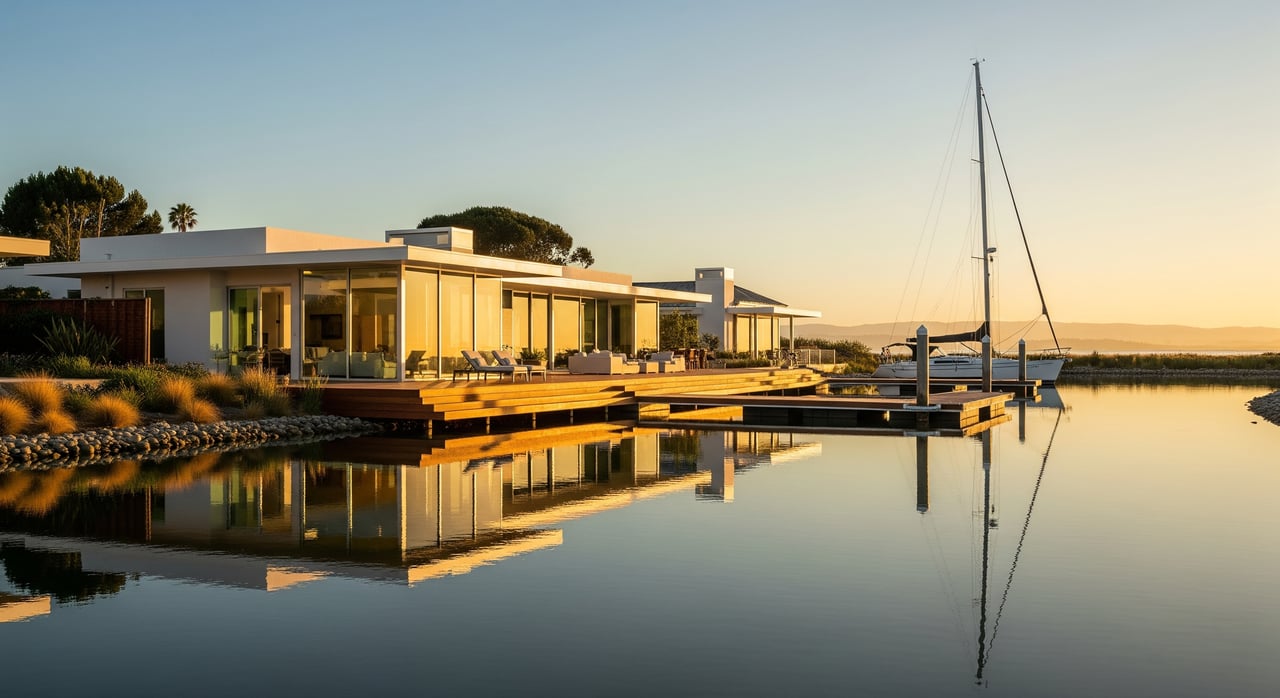
Picture this: coffee on your deck, gentle lagoon views, and your boat a few steps from the kitchen. Buying a waterfront home in Foster City can deliver a rare lifestyle, but it also adds a layer of due diligence you do not face inland. You want the right home, with the right rights, and no surprises after close. In this guide, you will learn what “waterfront” means in Foster City, how to verify dock rights and permits, what to look for in HOA documents, and how wind, tide, and flood risk affect day-to-day living. Let’s dive in.
What “waterfront” means in Foster City
Foster City is built around engineered lagoons and waterways that connect to the San Francisco Bay through controlled inlets. Not every shoreline is the same.
- Single-family homes may have private docks that extend into a lagoon channel. Some have deeded rights, while others rely on easements.
- Townhomes and condos can sit on the water’s edge with shared docks, assigned slips, or no docking at all.
- Some homes border public promenades or shoreline parks. These locations often have great views but do not allow private docking.
Water depth, channel width, and turning space vary by micro-location. Those factors determine the size and type of boat you can safely use or moor. Always verify the actual water conditions for the specific property you are considering.
Dock rights and types: what to confirm
Dock ownership is the single most important legal item to verify. Do not assume a dock transfers with the home.
- Private, deeded docks: The deed or a recorded easement should spell out ownership, use, and maintenance responsibilities. You are typically responsible for repairs, insurance, and safety.
- Exclusive-use or assigned slips: In many condo communities, the HOA owns the dock system and assigns slips to units. Rules and fees may apply.
- Community/shared docks: These are common elements managed by the HOA, often with reservation systems and operating rules.
- Mooring buoys: Some sites use moorings instead of fixed docks. They have different permitting and maintenance needs.
What to request early:
- Recorded deed language, easements, and any dock-related maps.
- Copies of existing permits for any structure in or over the water.
- A recent survey or plat that shows boundaries and any public or utility easements along the shoreline.
Permits and compliance: BCDC and local rules
Structures in or over bay waters and tidelands generally require authorization. In the San Francisco Bay region, the San Francisco Bay Conservation and Development Commission (BCDC) is the primary shoreline regulator. Depending on the work, local permits from Foster City or San Mateo County may also be required, and environmental permits can apply if wetlands or sensitive habitats are affected.
Key checks:
- Confirm whether the dock, pier, or seawall is legally permitted and in compliance.
- Ask for any variances, permit correspondence, and disclosure of prior enforcement actions.
- Verify that any electrical or water service at the dock was installed with appropriate marine-grade standards and permits.
Older, “grandfathered” docks can present risk if they lack current permits or violate present-day standards. Factor potential compliance upgrades into your budget.
Seawalls and dock condition: inspection priorities
Waterfront structures live a tough life. Saltwater accelerates corrosion, and marine borers can undermine piles.
Focus your inspection on:
- Structure: piles, decking, fasteners, and hardware. Look for rot, corrosion, loose cleats, damaged railings, and substandard materials.
- Seawalls and bulkheads: these affect erosion and flood exposure. Confirm who maintains them and whether there is a schedule for repairs.
- Safety and access: gangway slope at low tide, handrails, nonslip surfaces, lighting, and life-saving equipment.
- Electrical systems: GFCI protection, proper shore power pedestals, intact conduits, and no frayed cabling.
Hire a marine or coastal specialist with experience in San Francisco Bay docks and seawalls. A standard home inspection is not enough for these elements.
HOA and CC&Rs: the fine print that matters
Waterfront neighborhoods in Foster City often sit within planned communities. The HOA’s rules and financial health can make or break your experience and costs.
What to review:
- Dock rules: who owns what, permitted boat sizes, guest use, storage, fueling, and any fees or reservations.
- Operations: speed and wake rules, quiet hours, and restrictions on engine types.
- Reserves and assessments: seawalls, docks, and dredging are expensive. Read budgets, reserve studies, and recent meeting minutes to gauge future costs.
- Insurance and indemnity: some CC&Rs require specific liability limits and hold-harmless provisions related to dock or common-area incidents.
Ask directly about upcoming capital projects such as seawall work or channel dredging, and how those costs are allocated.
Title, easements, and boundary clarity
Your title report and recorded maps should confirm the legal basis for waterfront use.
- Verify how dock rights are granted: deed, easement, or license. Licenses can be revocable or time-limited.
- Check for public access or utility easements along the shoreline that limit private use.
- Look for encroachments, especially where docks extend near navigation channels or neighboring parcels.
When in doubt, request a current survey to align structures with recorded boundaries.
Insurance and liability: plan before you bid
Waterfront living raises unique liability and insurance questions. Premiums and requirements vary by location and elevation.
- Home liability: consider higher personal liability limits given dock and water exposure.
- Umbrella coverage: many owners add an umbrella policy for additional protection.
- Flood insurance: if the property is within a FEMA Special Flood Hazard Area, your lender may require flood insurance. An Elevation Certificate can help determine premiums and compliance.
- Boat insurance: consult your insurer about appropriate liability and physical damage coverage for your vessel.
Get quotes during your contingency period so you understand true carrying costs.
Water-use rules and environmental context
Residential lagoons often have speed limits and no-wake zones to protect shorelines and docks. There can be restrictions on noise and hours of operation. If you plan to trailer or launch a larger boat, learn where legal access points are and whether your intended route is navigable from the property.
Environmental factors to note:
- Dredging: channel maintenance may be periodic. Ask who pays, whether permits are in place, and how work is scheduled.
- Water quality: algal blooms or standing-water issues can occur at times. Consider asking the City or County about historical patterns and mitigation practices.
- Materials: plan for corrosion-resistant hardware and maintenance cycles appropriate for salt-influenced environments.
Wind, sun, and microclimate on the water
Typical summer patterns bring daytime onshore, northwesterly winds that strengthen in the afternoon. That can influence everyday comfort and boat handling.
- Exposure: homes on wider channels or open edges may see more wind and wave energy. Inner lagoons can be calmer.
- Orientation: note how decks and patios face. A sheltered orientation can make outdoor areas more enjoyable.
- Light and shade: pay attention to the sun path across your main living spaces at times you will use them most.
Visit the property at different times of day to feel the difference for yourself.
Flood risk and long-term resilience
Many bayfront homes sit in mapped FEMA flood zones. Lenders can require flood insurance, and elevation affects both risk and premiums.
- Check FEMA maps for the property’s designation and, if needed, review an Elevation Certificate.
- Ask about seawall condition, recent repairs, and the elevation of habitable areas relative to current standards.
- Review county and city sea-level rise planning to understand long-term community projects that can influence protection and permitting.
This context helps you weigh insurance costs and durability over your expected ownership timeline.
Touring and due diligence: your step-by-step checklist
Core document requests
- Title report and recorded plat or survey.
- Deed language or easements that grant dock rights.
- Copies of dock, seawall, and shoreline permits and any agency correspondence.
- HOA CC&Rs, bylaws, rules, budgets, reserve study, last 12–24 months of minutes, insurance declarations, and assessment history.
Inspections and history
- Marine/dock inspection covering piles, decking, fasteners, electrical, and safety.
- Seawall or bulkhead assessment and maintenance records.
- Any dredging history, frequency, and cost allocation.
- Evidence of prior repairs or upgrades, including invoices and warranties.
Insurance and finance
- FEMA flood zone confirmation and Elevation Certificate if applicable.
- Flood, homeowner, umbrella, and boat insurance quotes.
- HOA reserves review and questions about near-term capital projects.
Operational fit
- Permitted boat size for the property and dock geometry.
- Availability and metering of shore power and water at the dock.
- Wake rules, quiet hours, and guest policies that align with your lifestyle.
On-site visit tips
- Visit at high and low tides, and during calm morning and windy afternoon conditions.
- Walk the gangway at low tide to evaluate slope and handrails.
- Inspect for corrosion, marine-borer damage, mismatched or missing fasteners, and frayed cabling.
- Stand on the dock to assess wind and wake. Then stand on patios to gauge sun and shade.
- Speak with neighbors or marina users about seasonal issues like algae or mosquitoes.
Negotiation and contingency ideas
- Include contingencies for a satisfactory marine/dock inspection, clear title to dock rights, HOA document review, and acceptable insurance quotes.
- If inspections reveal issues, consider escrow holdbacks or seller-paid repairs for dock or seawall items.
Bringing it all together
Buying on the water in Foster City is as much about rights and resilience as it is about views. When you confirm dock ownership and permits, study HOA health, understand flood and wind exposure, and inspect shoreline structures with the right specialists, you set yourself up for years of easy enjoyment. With a focused checklist and measured due diligence, you can move forward with clarity and confidence.
If you would like a discreet, step-by-step approach tailored to your goals, we are here to help. Connect with the Buljan Group to schedule a confidential consultation.
FAQs
What does “waterfront” mean in Foster City real estate?
- It can mean a single-family home with a private dock, a townhome or condo with a shared or assigned slip, or a shoreline location with views but no private docking.
How do I confirm a Foster City home’s dock rights before buying?
- Request the deed, recorded easements, and permits; review HOA documents if applicable; and obtain a current title report and survey or plat for boundary clarity.
Who maintains docks and seawalls in planned communities?
- It varies. Some owners handle private docks; HOAs may maintain shared docks and seawalls. Review CC&Rs, budgets, reserve studies, and minutes to see who pays and how.
What permits apply to docks or shoreline work in the Bay Area?
- Structures over or near bay waters typically require authorization from the regional shoreline regulator, plus local permits. Environmental permits may apply if sensitive habitats are affected.
Do I need flood insurance for a Foster City waterfront home?
- If the home lies in a FEMA Special Flood Hazard Area, lenders may require flood insurance. An Elevation Certificate helps determine premiums and building requirements.
How do wind and sun exposure affect day-to-day living on the lagoons?
- Summer afternoons often bring stronger onshore winds. Orientation and channel width affect comfort, wake exposure, and how you use outdoor spaces.
What should I look for during a dock and seawall inspection?
- Check piles, decking, fasteners, corrosion, electrical safety, gangway slope at low tide, and overall seawall condition. Hire a marine specialist experienced with local structures.
Who pays for dredging or channel maintenance near a property?
- Policies vary by development. Ask the HOA or seller about dredging history, permit status, scheduling, and cost allocation before you write an offer.